The Blurry One in the Corner of Your Camera Roll Is the One That's Actually True

Scroll back far enough in your phone's camera roll and you'll find it. Maybe it's from a birthday dinner three years ago — someone caught you mid-laugh, mouth wide open, eyes half-closed, a smear of frosting near your lip you didn't know was there. Your first instinct when you saw it was probably to hit delete before anyone else could.
But here's the thing. That photo? That's the one that actually happened.
The Version We Keep vs. The Version That Was Real
We've gotten very good at managing our own image — not in some Hollywood PR sense, but in the quiet, daily way that happens whenever a camera comes out. We angle our faces. We wait for a better moment. We retake until the light hits right and our expression looks like the person we imagine ourselves to be, rather than the person who was just arguing about where to park twenty minutes ago.
The photos we choose to keep are often aspirational documents. They show us at our most composed, most photogenic, most presentable. And there's nothing wrong with wanting to look good in a picture — that's deeply human and always has been. But somewhere in the ruthless editing process, we also erase the texture of what actually went on.
The candid shot where your dad's eyes are wet because he's laughing so hard at something your kid said — you deleted it because he looked "rough." The one of you and your best friend from that camping trip where you're both sweaty and squinting into the sun — gone, because neither of you felt cute that day. The photo of your kitchen table covered in craft supplies and takeout containers on a Sunday afternoon — deleted before you even really looked at it.
None of those moments made the cut. But every single one of them was real in a way the posed shots aren't.
What a Bad Photo Actually Contains
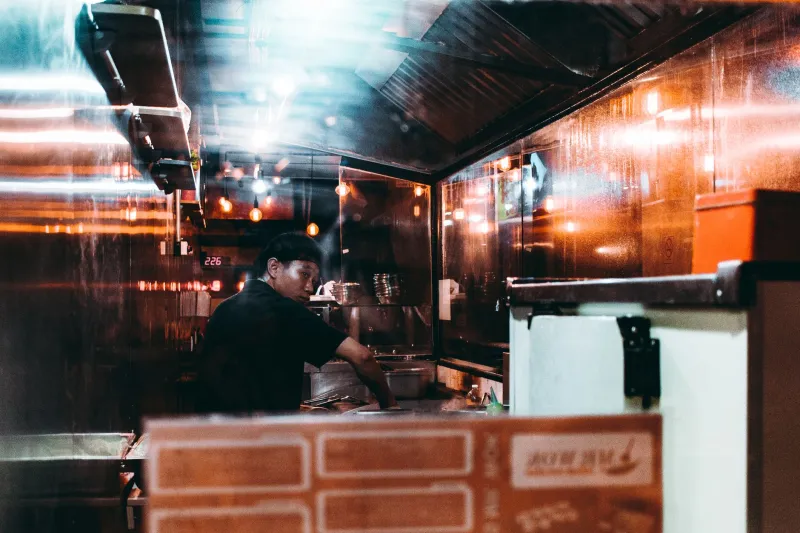
There's a particular kind of information that only lives in the unflattering frame. The way someone's shoulders look when they're genuinely relaxed, not performing relaxation. The specific chaos of a room that was actually being lived in. The expression a person makes when they forget a camera exists — which is the closest thing to their real face you'll ever capture.
Photographers have known this forever. Documentary photographers, photojournalists, the kind of wedding photographers who specialize in "candid" work — they're all chasing the same thing. The unguarded second. The moment before someone notices they're being watched. That's where the truth lives, and it almost never looks the way we'd choose.
When you look at old family photos — the kind from the '70s and '80s before everyone had a pocket-sized studio in their hand — they're full of blinks and weird angles and people caught in the middle of saying something. And somehow they feel more alive than most of what we produce today. You can feel the afternoon in them. You can almost hear what song was on.
We're Curating Ourselves Into a Corner
The average iPhone user takes somewhere around 2,000 photos a year. A meaningful chunk of those get deleted before they're even really considered. We've developed an almost reflexive quality control process, and it runs on a pretty narrow definition of what a good photo looks like.
Good lighting. Flattering angle. Everyone looking at the camera or doing something that reads as intentionally candid. Nobody's eyes half-closed. No double chins, no food in teeth, no one caught in the middle of an awkward gesture.
What we're left with is a highlight reel so consistent it starts to feel a little hollow. Scroll through the average person's camera roll and you'll see their life, sure — but you'll see it the way a realtor stages a house. Everything's been tidied up and the weird stuff's been moved to storage.
The blurry one, the unflattering one, the one you almost deleted — that's the storage unit. And storage units, it turns out, are where people keep the things that actually matter to them.
The Photo You Almost Deleted Might Be the One You'll Miss
There's a specific grief that comes with losing a photo you can't recreate. Not the perfectly lit portrait, but the accidental one — the one that caught something unrepeatable. The last photo of a person before they got sick. The only shot from a trip where everyone was actually having fun instead of performing having fun. The picture of a house before you moved out of it, taken in a rush, slightly blurry, but with all the furniture still there and the afternoon light falling exactly the way it always did.
You can't restage those. You can't get better lighting on a moment that's already gone.
This isn't a call to stop caring about how you look in photos — that ship has sailed for most of us and it's fine. But maybe it's worth building in a small pause before you delete. A second look at the photo you instinctively want to get rid of. Ask yourself: does this look bad, or does it just look true?
Keeping the Messy Ones
Some people have started doing this intentionally — keeping a separate album of the outtakes. The weird ones, the blurry ones, the ones where no one looks their best but something real is clearly happening. It sounds a little precious when you describe it out loud, but in practice it functions like a different kind of memory. Less polished, more honest.
You don't have to post them anywhere. You don't have to show anyone. But having them — just having the actual record of what your life looked like when you weren't trying — turns out to feel like something.
Because the curated version of your life is a story you're telling. The messy, unfiltered, slightly out-of-focus version is the story that was actually happening.
And someday, probably sooner than you think, you're going to want that one more.